 In April 2024, tornadoes tore through eastern Nebraska, damaging and destroying homes across Douglas, Washington, and surrounding counties. In the immediate aftermath, the Omaha Community Foundation moved quickly to support relief efforts by establishing the Nebraska Tornado Recovery Fund, allowing donors to give within hours of the storms. At the same time, OCF began organizing nonprofit, government, and community partners to coordinate response and reduce duplication. This early work focused on stabilizing households and setting the foundation for longer-term recovery, recognizing that while emergency relief is critical, rebuilding lives and homes requires sustained coordination, flexible funding, and trusted local partnerships.
As direct assistance needs became more complex, partners recognized that no single organization or funding source could fill the gaps alone. The Neighbor Recovery Fund was created as a direct assistance mechanism using pooled resources totaling approximately $1.6 million from specific Tri-County Long-Term Recovery Coalition partners.
This approach did not create new dollars. It brought existing dollars into one shared decision-making process, so partner funding could be coordinated, reviewed consistently, and applied where it would make the most difference for survivors.
“The Neighbor Recovery Fund was built to close the gaps that insurance and FEMA do not cover,” said Sarah Sjolie, Disaster Recovery Coordinator at the Omaha Community Foundation. “It lets our partners respond to what a household actually needs to move forward, based on a case manager’s assessment, not a one-size-fits-all checklist.”
Funding partners included:
- Omaha Community Foundation (Nebraska Tornado Recovery Fund)
- The Salvation Army
- St. Patrick’s Catholic Church
- Washington County Long-Term Recovery Group
- First Lutheran Church (Blair)
Centralized intake partner:
- United Way of the Midlands 2-1-1 (routes requests to disaster case managers)
Disaster case management partners:
- St. Vincent de Paul
- Heartland Hope Mission
- Christian Outreach Program Elkhorn
- East Central Long-Term Recovery Group
How the Neighbor Recovery Fund Worked in Practice
Across cases reviewed, the panel stayed focused on helping households move toward safe and livable housing. Decisions were guided by case manager assessments and reviewed through a consistent process.
Key elements of the model included:
- Intake through 2-1-1 and disaster case management coordination
- Biweekly review panel with de-identified case presentations
- Shared decision-making across funding partners
- Less duplication between organizations
- Faster decisions and deployment of dollars
- Fewer steps for survivors navigating multiple systems
“Flexibility is what made this recovery effort work,” said Sarah Sjolie. “Without adaptable funding and shared decision-making, we would not have been able to respond to the complexity of these cases.”
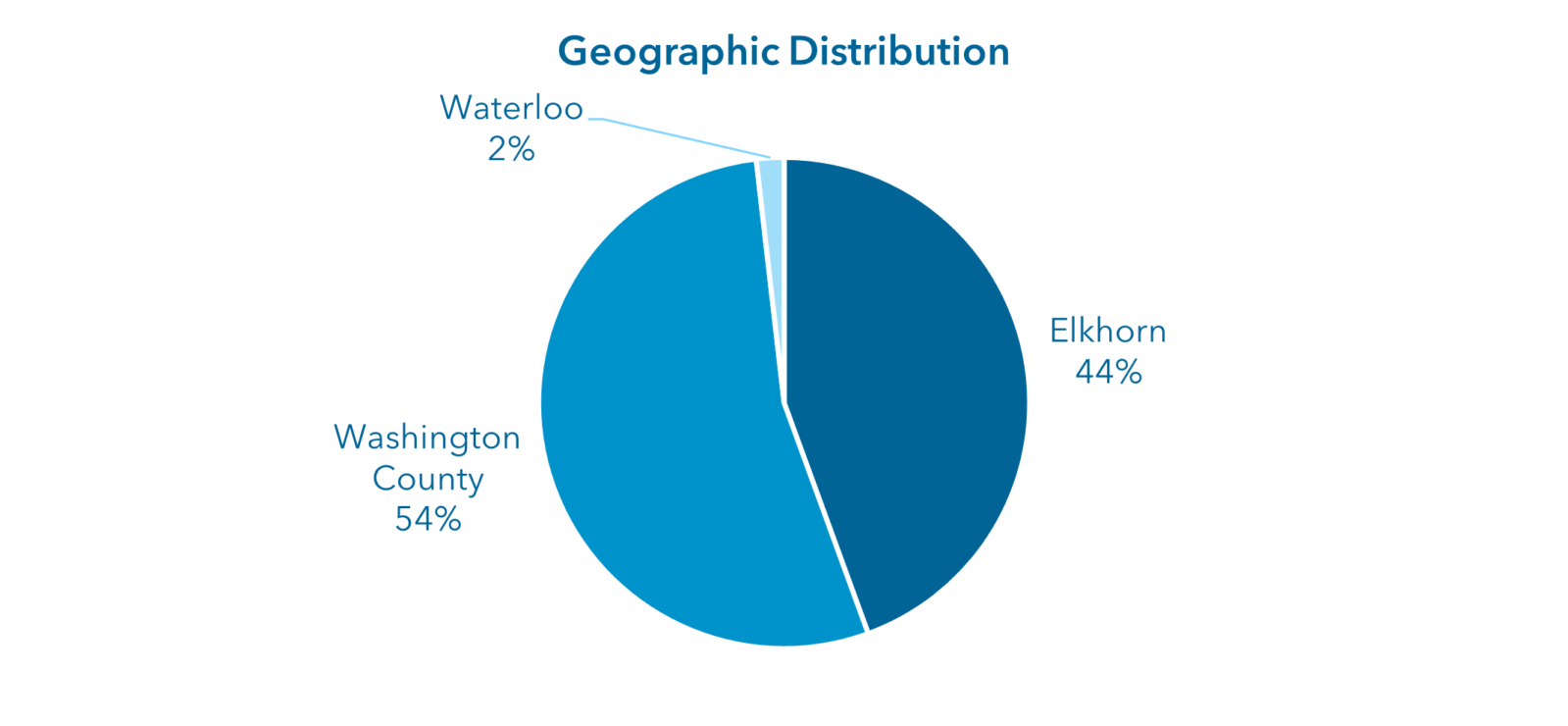
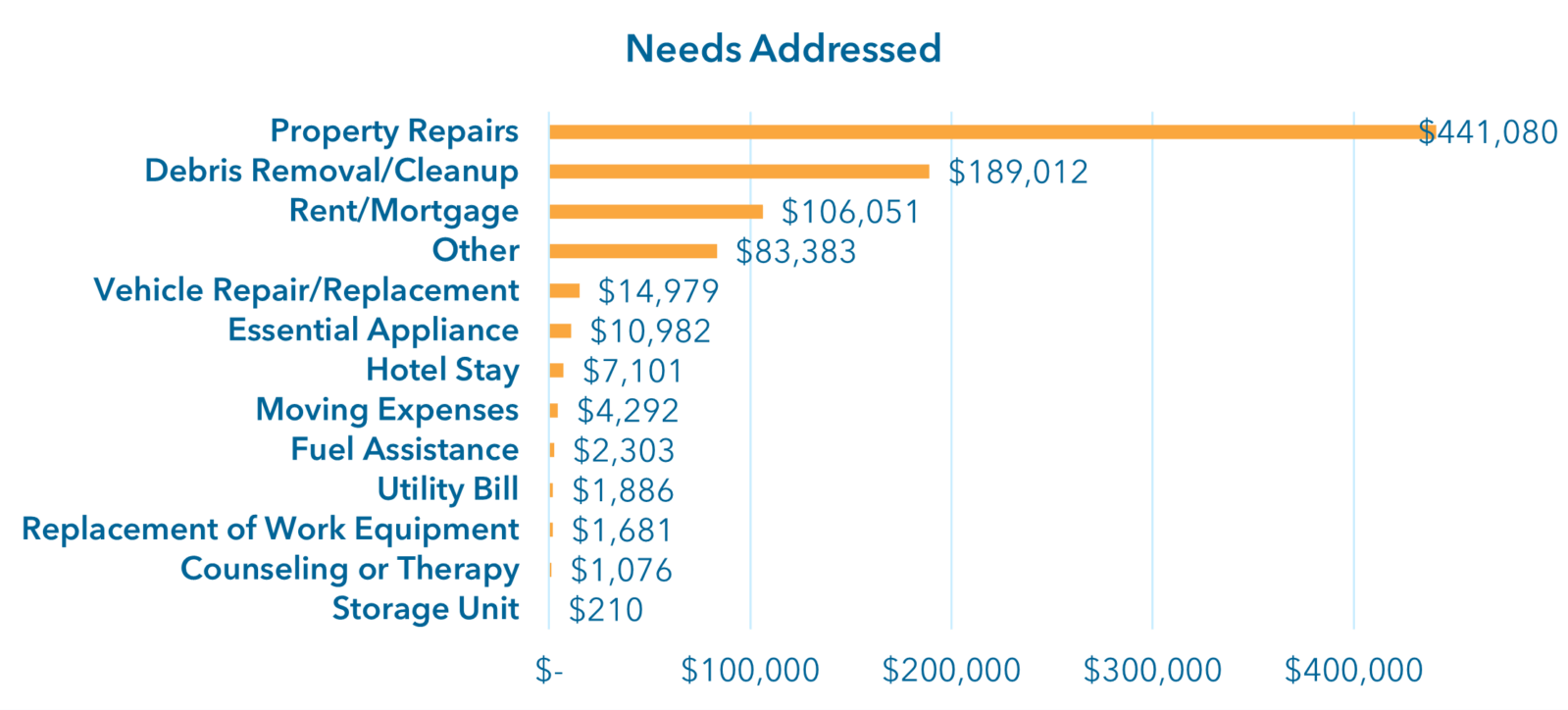
As of January 2026, the Neighbor Recovery Fund approved 102 requests, supporting more than 46 households and deploying $864,037 in direct assistance. Most funding (73%) was used for debris removal, repair work, and construction gap funding, helping households prepare for construction or complete rebuilds. Data also showed that many families required more than one round of support as their recovery progressed. Rather than replacing insurance or FEMA assistance, the fund consistently covered critical gaps that were preventing repairs from moving forward.
Impact on Future Readiness
This work strengthened coordination among partners and clarified roles that can be used again in future disasters. It also created a more streamlined intake and review process that reduced confusion and improved follow-through across organizations.
Key outcomes included:
- Clearer shared processes and partner roles
- A streamlined intake approach between 2-1-1 and case managers
- A shared review and decision model among funders
- Documentation of lessons learned and what worked in practice
- Stronger partner relationships/coordination that can be activated quickly in future events
The Neighbor Recovery Fund created a shared way to review needs, coordinate funding, and reduce delays for survivors. It helped limit the number of organizations survivors had to contact and reduced the burden of repeating their story. Most importantly, it supported households working toward safe housing and stability, even when traditional systems could not cover every cost.
The Neighbor Recovery Fund was made possible through the collective efforts of the Omaha Community Foundation, United Way of the Midlands, The Salvation Army, St. Patrick’s Catholic Church, First Lutheran Church ELCA (Blair), and the Washington County Long-Term Recovery Group.